

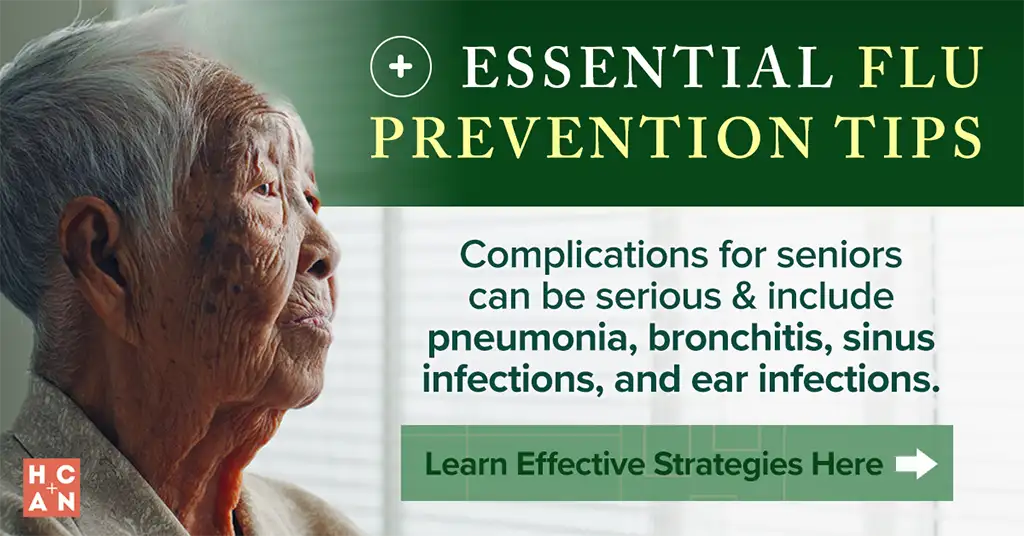
As the leaves change and the air turns crisp, we’re reminded of the arrival of flu season. While the flu can be a nuisance for anyone, it poses a more significant threat to older adults. Each year, the U.S. experiences a wide range of seasonal flu cases, from 9.3 million to over 41 million. For seniors, a simple case of the flu can quickly lead to serious health issues. Understanding the risks and taking proactive steps is key to navigating the season safely. This guide offers essential flu prevention tips for seniors to help you and your loved ones stay healthy and well.
Understanding Flu Risks for Seniors
Why are older adults more susceptible to the flu and its complications? As we age, our immune systems naturally become less robust, making it harder for our bodies to fight off infections. This age-related decline in immunity means seniors are not only more likely to catch the flu but also to experience severe complications from it.
“People of all ages get the flu, but older people are especially vulnerable,” says Sierra Goetz, co-founder and senior vice president of operations at HomeCare Advocacy Network (HCAN). “Because their immune systems aren’t as robust as they used to be, serious illnesses and complications from the flu are more likely. It’s important to help older loved ones understand the risks and take steps to keep them safe.”
Potential complications for seniors can be serious and include pneumonia, bronchitis, sinus infections, and ear infections. The flu can also worsen chronic health conditions such as congestive heart failure, asthma, or diabetes. In some cases, it can lead to hospitalization, which is why prevention is the best medicine.
Effective Flu Prevention Strategies
Protecting yourself or an older loved one from the flu involves a multi-layered approach. By incorporating a few simple habits into your daily routine, you can significantly reduce the risk of infection. Here are some of the most effective flu prevention tips for seniors.
- Get Your Annual Flu Shot: The single most important step in preventing the flu is getting vaccinated each year. The flu vaccine is updated annually to match circulating viruses, and it is a safe and effective way to protect against illness. Seniors should also speak with their doctor about other important immunizations, such as the pneumococcal vaccine to prevent pneumonia.
- Practice Good Hygiene: Simple hygiene habits can make a big difference.
- Wash your hands frequently with soap and water for at least 20 seconds, especially after being in public places or before eating.
- Avoid touching your eyes, nose, and mouth, as this is a common way for germs to enter the body.
- Cover your coughs and sneezes with a tissue or your elbow to prevent the spread of germs.
- Regularly disinfect high-touch surfaces like doorknobs, light switches, remote controls, and cellphones.
- Maintain a Healthy Lifestyle: A strong body is better equipped to fight off illness.
- Prioritize good nutrition by eating nutrient-dense foods like whole grains, colorful fruits, and vegetables. Citrus fruits, leafy greens, and bell peppers are excellent sources of vitamin C.
- Incorporate lean proteins like chicken, fish, and beans into your diet.
- Stay hydrated by drinking plenty of water throughout the day.
- Limit processed foods, tobacco use, and alcohol consumption.
- Aim for 7-9 hours of quality sleep each night to allow your body to rest and repair.
- Stay Physically Active: Regular, moderate exercise helps boost the immune system. Aim for 20-30 minutes of activity most days of the week. Activities like walking, swimming, or cycling are excellent choices that are gentle on the joints.
- Avoid Contact with Sick Individuals: If friends or family members are feeling unwell, it’s best to postpone visits until they have fully recovered. If you must be around someone who is ill, consider wearing a mask and be extra diligent about handwashing.
Additional Tips for Caregivers
Caring for an older loved one comes with the responsibility of helping them stay healthy, especially during flu season. Your support can be invaluable in implementing these preventative measures.
For example, Sarah, a full-time caregiver for her father, makes flu prevention a team effort. Each fall, she schedules their flu shots together. She stocks the kitchen with healthy groceries and prepares nutrient-rich meals they can both enjoy. Sarah also helps her dad by regularly wiping down surfaces in the house and ensuring he has a clean, comfortable environment. This proactive partnership not only protects her father’s health but also strengthens their bond.
As a caregiver, you can:
- Gently remind your loved one to wash their hands.
- Help with grocery shopping to ensure a healthy diet.
- Encourage light physical activity, like a short walk together.
- Monitor for any early signs of illness and be prepared to contact a healthcare professional.
Conclusion
Flu season requires extra vigilance, but it doesn’t have to be a source of anxiety. By embracing these flu prevention tips for seniors, you can significantly lower the risk of illness and enjoy a safe and healthy season. From getting vaccinated to maintaining a healthy lifestyle, these simple, actionable steps empower older adults and their caregivers to take control of their well-being.
For more personalized information about flu prevention, symptoms, and treatments, consult with your personal physician. You can also find valuable resources on the Centers for Disease Control and Prevention (CDC) website.