

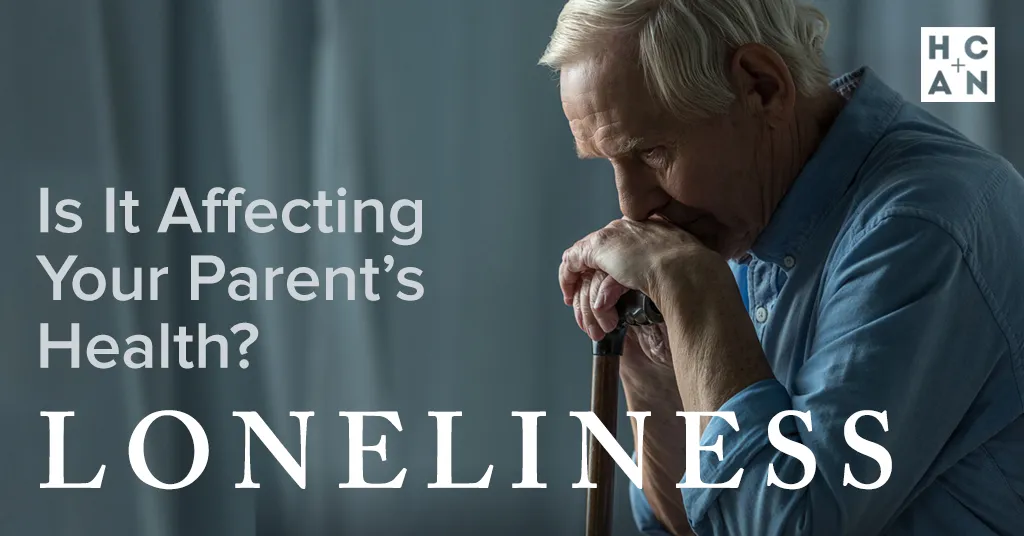
Senior loneliness signs are often subtle and easily mistaken for normal aging. Research shows that social isolation among older adults carries health risks comparable to smoking 15 cigarettes a day. Recognizing the signs early — and connecting your parent with consistent companionship — can meaningfully improve both their physical health and quality of life.
Your parent seems fine on the surface. They insist they’re doing well, they manage their daily routines, and they smile when you visit. But something feels off. They mention the same stories on every call. They’ve stopped attending their regular activities. They seem to brighten in a way that makes you ache a little when you have to leave.
Loneliness among older adults is far more common — and far more dangerous — than most families recognize until it’s already taken a toll. This guide will help you identify the warning signs before they become a health crisis, understand the real impact isolation has on your parent’s wellbeing, and learn what you can do to help.
What Does Research Say About Loneliness and Aging?
The data on senior loneliness is striking. According to the U.S. Surgeon General’s 2023 Advisory on Loneliness and Isolation, social disconnection carries health risks equivalent to smoking 15 cigarettes a day. The same report found that loneliness increases the risk of heart disease by 29%, stroke by 32%, and dementia by approximately 50%.
Older adults are among the most vulnerable. Common life transitions — retirement, the death of a spouse or close friends, reduced mobility, and children moving away — can dramatically shrink a senior’s social world. And because older adults rarely self-report loneliness (many see it as a weakness or don’t recognize it in themselves), the responsibility for identifying the problem often falls on family members.
How Does Loneliness Affect Physical and Mental Health in Seniors?
Loneliness is not just an emotional experience. Chronic social isolation triggers physiological changes that measurably damage the body:
- Elevated cortisol levels: Persistent loneliness activates the body’s stress response, raising cortisol — a hormone that, over time, weakens the immune system, disrupts sleep, and accelerates cardiovascular disease.
- Inflammation: Social isolation increases markers of systemic inflammation, a known driver of conditions including Alzheimer’s disease, type 2 diabetes, and cancer.
- Cognitive decline: Seniors who lack regular social stimulation show faster rates of cognitive decline than those who maintain active social connections. Human conversation and interaction exercise parts of the brain that solitary activities don’t.
- Depression and anxiety: Loneliness is both a symptom and a driver of depression in older adults — a cycle that’s difficult to interrupt without external support.
- Reduced self-care: A lonely senior is less motivated to eat well, take medications, and maintain personal hygiene. These practical failures compound health risks quickly.
7 Senior Loneliness Signs to Watch For
Knowing what to look for makes a meaningful difference. These seven signs can help you spot isolation before it deepens into a serious health problem.
1. Withdrawal From Previously Enjoyed Activities
Has your parent stopped attending their regular social commitments — a book club, a faith community, a weekly card game, or a senior center they used to love? Gradual withdrawal from activities that once brought joy is one of the clearest early signals of loneliness and depression.
2. Increased Sleep or Unusual Fatigue
Lonely seniors often sleep excessively — not because they’re tired, but because sleep is an escape from an empty day. If your parent is napping far more than usual or seems perpetually low-energy without a clear medical cause, loneliness may be a contributing factor.
3. Changes in Appetite or Weight
Social eating is a meaningful part of human experience. When seniors have no one to share meals with, food becomes purely functional — and often drops off the priority list. Unexplained weight loss, skipped meals, or a refrigerator full of untouched food can all indicate your parent isn’t engaging with daily life the way they should be.
4. Increased Calls or Clinginess During Visits
On the surface, this one can be easy to miss or even dismiss as neediness. But when a parent calls multiple times a day to repeat the same conversation, or becomes visibly anxious when you prepare to leave, it often signals they have too little meaningful human contact in their daily life.
5. Expressions of Hopelessness or Worthlessness
Statements like “I’m just a burden,” “I don’t know why I’m still here,” or “It doesn’t really matter what I do” should never be brushed off as normal aging talk. These expressions can reflect genuine hopelessness driven by chronic loneliness and depression. If you hear them, take them seriously and consult your parent’s physician.
6. Increased Alcohol Consumption or Unhealthy Habits
Loneliness is a known driver of substance use in older adults. Increased alcohol consumption, excessive television watching, or other numbing behaviors can all be responses to isolation.
7. Decline in Personal Hygiene or Home Maintenance
When there’s no one coming over and nowhere to go, the motivation to maintain appearance and surroundings often fades. A once-tidy home that’s become cluttered, or a parent who’s stopped bothering with grooming, may be signaling that isolation is eroding their sense of purpose.
How Does Consistent Companionship Improve a Senior’s Health?
The antidote to loneliness is connection — and the evidence for its benefits is just as compelling as the evidence for its harms. Seniors who maintain regular social connection show:
- Lower rates of depression and anxiety
- Better medication adherence
- Improved appetite and nutrition
- Slower cognitive decline
- Reduced risk of falls, in part because social engagement keeps the brain more alert
- Greater motivation to maintain personal hygiene and daily routines
Meaningful connection doesn’t require elaborate social programs or a packed calendar. Regular, consistent human presence — someone who shows up reliably, engages genuinely, and treats your parent as a whole person with stories, opinions, and preferences — can make a profound difference.
How Professional Caregivers Help Combat Senior Loneliness
This is where professional in-home care becomes one of the most powerful tools available to your family. At HomeCare Advocacy Network (HCAN), companionship isn’t an afterthought to the practical care we provide — it’s a central part of it.
Our caregivers are carefully matched to clients not just by care needs, but by personality, interests, and communication style. The goal is a genuine relationship, not a transactional service. Caregivers engage your parent in conversation, share meals, support hobbies, and provide the kind of consistent, warm human presence that meaningfully reduces isolation.
When the same caregiver shows up day after day, your parent develops a trusted relationship — someone they look forward to seeing, someone who notices when something is off, and someone who communicates those observations to your family so you’re never in the dark.
Your Parent Deserves More Than Just Physical Care
Physical safety matters. Medication management matters. Nutrition matters. But none of those things fully replace the experience of being known, heard, and valued by another person.
If you’ve noticed any of these senior loneliness signs in your parent, the most important step you can take is to act — not next month, but now. Social isolation compounds quickly. A small intervention early can prevent a much more serious crisis later.
At HCAN, our compassionate caregivers provide more than assistance with daily tasks — they provide genuine human connection that transforms a senior’s daily experience. Contact your local HCAN office today to learn how we can build a customized care plan that addresses your parent’s emotional as well as physical needs.
Frequently Asked Questions
How common is loneliness among older adults?
According to the U.S. Surgeon General’s 2023 Advisory, approximately half of American adults report measurable levels of loneliness, with older adults and those living alone particularly affected. Social isolation is now recognized as a major public health concern.
Is loneliness the same as depression in seniors?
They’re related but not identical. Loneliness is the subjective experience of lacking desired social connection. Depression is a clinical condition with a broader range of emotional and physical symptoms. Chronic loneliness is a significant risk factor for depression, and the two frequently occur together. Both warrant attention from a healthcare provider.
Can regular phone or video calls help reduce senior loneliness?
Remote connection is helpful and better than nothing, but research suggests it doesn’t fully replace in-person interaction. For older adults especially, the physical presence of another person — someone who sits with them, shares a meal, or walks alongside them — carries a different quality of connection.
How do I bring up loneliness with my parent without offending them?
Start from a place of observation rather than diagnosis. Try: “I’ve noticed you haven’t been going to [activity] lately — how has that been for you?” or “I want to make sure you’re getting enough company during the week.” This invites conversation without labeling them as lonely.
What activities can help a lonely senior reconnect socially?
Senior centers, faith communities, volunteer programs, and hobby-based groups are all good options. For seniors with limited mobility, in-home companionship through a professional caregiver is often the most accessible and reliable form of consistent social connection.