

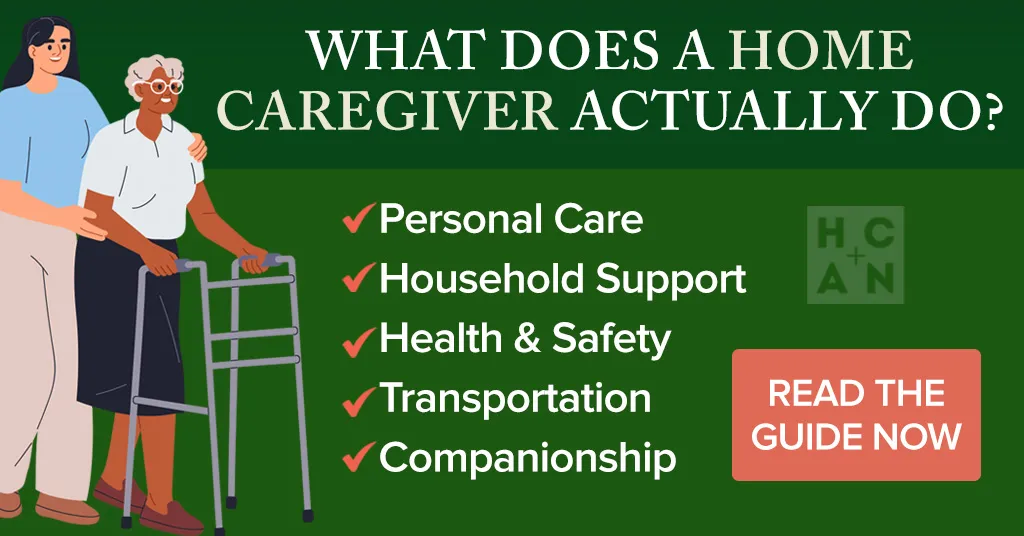
Quick answer: A home caregiver is a trained, non-medical professional who helps seniors with daily activities—such as bathing, meal preparation, light housekeeping, medication reminders, transportation, and companionship—so they can safely and comfortably remain in their own homes. Care plans are customized to each family’s needs, ranging from a few hours a week to 24/7 support.
You’ve heard the term “home caregiver” thrown around, maybe from a friend, a doctor, or a hospital discharge planner. But if you’ve never used the service yourself, it can be hard to picture what actually happens during a visit. Is it medical care? Just companionship? Somewhere in between?
Understanding what a home caregiver does—and doesn’t do—is an important first step in deciding whether it’s the right fit for your family. This guide breaks down the role in plain language, so you can make an informed, confident decision about care for your loved one.
What Exactly Is a Home Caregiver?
A home caregiver is a trained professional who provides non-medical support to help seniors with daily living activities in their own home. Unlike home health aides or nurses, who typically provide medical services under a physician’s order, home caregivers focus on the practical, everyday tasks that allow someone to live safely and comfortably—without needing to move to an assisted living facility.
Think of a home caregiver as a trusted partner who steps in exactly where support is needed, whether that’s a few hours a week or around-the-clock care.
What Daily Tasks Does a Home Caregiver Help With?
Home caregivers support a wide range of daily activities, tailored to each client’s specific needs. Common responsibilities include:
Personal Care
- Bathing, grooming, and dressing assistance
- Help with mobility and transferring (getting in and out of bed or a chair)
- Toileting and incontinence care
Household Support
- Light housekeeping, such as laundry and tidying
- Meal planning and preparation
- Grocery shopping and errands
Health and Safety Support
- Medication reminders (not administration, which requires a licensed medical professional)
- Monitoring for changes in condition or behavior
- Fall-prevention support and mobility assistance
Transportation
- Rides to medical appointments
- Transportation to social activities, errands, or religious services
Companionship
- Conversation and social engagement
- Accompanying clients on outings
- Emotional support, particularly for those experiencing loneliness or isolation
How Is a Home Caregiver Different From a Home Health Aide?
This is one of the most common points of confusion for families, and the distinction matters.
- Home caregivers provide non-medical support: daily living assistance, companionship, and household help.
- Home health aides typically work under a physician’s care plan and may provide basic medical tasks, such as monitoring vital signs, under the supervision of a nurse.
Choose home care if your loved one primarily needs help with daily activities and companionship. Choose home health care if they require medical monitoring or skilled nursing tasks as part of a doctor-ordered plan. Many families use both services in combination, particularly during a transition like a hospital discharge.
How Does a Home Caregiver Get Matched to My Family?
Quality home care starts well before the first visit. Here’s what the process typically looks like:
- Initial consultation: A care team meets with your family to understand your loved one’s needs, personality, daily routine, and living situation.
- Customized care plan: The team develops a plan outlining specific tasks, schedule, and goals—whether that’s a few hours a week or full-time support.
- Caregiver matching: Rather than assigning any available caregiver, a good home care agency carefully matches caregivers based on compatibility, skill set, and your loved one’s personality.
- Ongoing supervision: A care team regularly checks in and adjusts the plan as needs change over time.
This matching process matters more than families often realize. A caregiver who’s simply “available” isn’t the same as one who’s the right fit—and consistency in caregiver assignments has a direct impact on your loved one’s comfort and trust.
Why Does Caregiver Consistency Matter So Much?
Familiarity builds trust, and trust builds better care. When the same caregiver (or a small, consistent team) visits regularly, they begin to notice subtle changes—a shift in appetite, a new hesitation on the stairs, a change in mood—that a rotating cast of unfamiliar faces would likely miss.
Consistency also benefits families. Instead of re-explaining your parent’s routine and preferences to a new person every week, you build a relationship with caregivers who already understand what your loved one needs and how they like things done.
What Does This Mean for You as a Family Caregiver?
If you’ve been managing all of this alone—the appointments, the meals, the laundry, the worry—bringing in a professional home caregiver isn’t about stepping back from your parent’s life. It’s about stepping back from the tasks so you can step back into your role as a daughter, son, or family member.
Professional caregivers handle the day-to-day logistics with skill and compassion, freeing you to spend your time with your parent building memories rather than managing chores.
Frequently Asked Questions
What is the difference between a home caregiver and a home health aide?
A home caregiver provides non-medical support like daily living assistance and companionship, while a home health aide typically performs basic medical tasks under a physician’s care plan.
Can a home caregiver administer medication?
No. Home caregivers can provide medication reminders, but administering medication typically requires a licensed medical professional, depending on state regulations.
How many hours of care can a home caregiver provide?
Care plans are flexible and can range from a few hours a week to 24/7 support, depending on your loved one’s needs and your family’s preferences.
Is home care covered by insurance?
Coverage varies. Some services may be covered by Medicaid, VA benefits, or long-term care insurance, depending on eligibility and the specific plan.
How do I know if my parent needs a home caregiver or an assisted living facility?
If your parent primarily needs help with daily tasks but wants to remain in their own home, a home caregiver is often a cost-effective alternative that supports independence. Assisted living may be more appropriate if extensive medical supervision or a communal living environment better suits their needs.
Ready to Learn More About Home Care?
Understanding what a home caregiver does is the first step toward making the right decision for your family. If you’re wondering whether it’s the right time to bring in support, the HomeCare Advocacy Network is here to help you navigate every step. Find a location near you and schedule a free care consultation and let’s build a care plan that fits your family’s unique needs.