

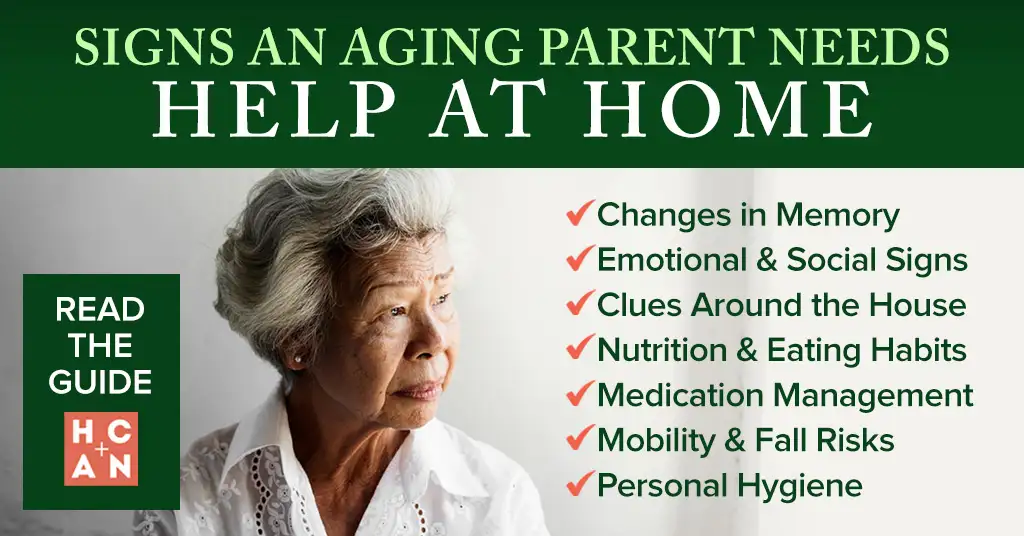
Your mom has lived independently for decades. She raised you, ran the household, and rarely asked anyone for anything. So when small things start to slip, it’s easy to second-guess yourself. Is she really struggling, or are you worrying too much?
If you’ve felt that quiet pull of concern, you’re not alone. Many adult children notice subtle changes long before a parent admits anything is wrong. And here’s the hard part: most older adults won’t ask for help, even when they need it.
This guide is here to help you spot the signs early, understand why your parent may be hiding them, and start a respectful conversation. You’ll also learn the difference between non-medical home care and clinical home health, so you know which kind of support fits your family.
Quick takeaways:
- Subtle changes in the home often signal a bigger need.
- Older adults hide struggles to protect their independence.
- Early support can prevent a crisis later.
- Non-medical home care and home health are not the same thing.
Why Aging Parents Hide Their Struggles
Before we look at the warning signs, it helps to understand the “why.” When you know what’s driving the silence, it’s easier to respond with compassion instead of frustration.
Older adults rarely come right out and ask for help. They’re often afraid of losing their independence, and they don’t want to feel like a burden to the people they love.
Common reasons your parent may stay quiet:
- Fear of losing independence. Accepting help can feel like a step toward losing control.
- Pride and identity. Your parent has always been the caregiver, not the one being cared for.
- Not wanting to worry you. They know you’re busy with work and family.
- Denial. Admitting a struggle out loud makes it feel more real.
- Fear of being “put in a home.” Many assume help means moving out of the house they love.
Understanding these feelings is the first step. It reminds you that resistance usually comes from fear, not stubbornness.
Subtle Physical Signs to Watch For
Physical changes are often the first clues. They can be easy to brush off, especially during a quick visit, but small details add up.
Look for:
- Unexplained weight loss or clothes that fit loosely
- New bruises or scrapes, which may point to falls
- Difficulty rising from a chair or climbing stairs
- A shuffling, unsteady, or slower walk
- Visible fatigue or low energy
If you notice this: One or two of these signs may simply mean a tough week. But a pattern over several visits is worth paying attention to.
Changes in Memory and Thinking
Cognitive shifts can be the most worrying signs to spot, and the easiest to explain away. We all forget where we put our keys. The concern grows when forgetfulness starts to affect daily life.
Watch for:
- Repeating the same stories or questions in one conversation
- Missing appointments or important dates
- Trouble following a recipe they’ve made for years
- Confusion about familiar routines or places
- Difficulty managing money or paying bills
A few missed details aren’t cause for panic. But if these changes are new and growing, a medical evaluation can help rule out treatable causes like infections, medication side effects, or vitamin deficiencies.
Emotional and Social Warning Signs
Loneliness and mood changes often hide in plain sight. Your parent may seem “fine” on the phone but tell a different story in person.
Signs to notice:
- Pulling away from hobbies, friends, or church groups
- Loss of interest in things they once enjoyed
- Irritability, sadness, or unusual anxiety
- Sleeping much more or much less than usual
- Reluctance to leave the house
If you’re dealing with this: Gently ask how they’ve been feeling, not just what they’ve been doing. Social isolation affects both emotional and physical health.
Clues Around the House
Sometimes the home tells the story before your parent does. A walk through familiar rooms can reveal a lot.
Keep an eye out for:
- Stacks of unpaid bills or unopened mail
- Spoiled food in the fridge or an empty pantry
- Laundry or dishes piling up
- A home that’s messier than usual
- Burn marks on pots, or scorched dish towels near the stove
These small details often point to the same thing: daily tasks are becoming harder to manage alone.
Nutrition and Eating Habits
Good nutrition keeps your parent strong, but cooking and shopping can become overwhelming. Poor eating habits can quietly affect energy, mood, and healing.
Red flags include:
- Very little fresh food in the home
- Reliance on snacks or skipped meals
- Expired items in the fridge or cabinets
- Sudden weight loss
- Forgetting whether they’ve eaten
A little help with meal planning and preparation can make a big difference here.
Medication Management Concerns
Managing medications gets harder with age, especially when there are several prescriptions. Mistakes can have serious consequences.
Signs your parent may be struggling:
- Pill bottles that are full when they should be empty, or empty too soon
- Confusion about which pill to take when
- Missed doses or doubled doses
- Multiple expired prescriptions
- New side effects no one has flagged to the doctor
If you spot these patterns, talk with their physician or pharmacist. A non-medical caregiver can offer medication reminders, while a nurse handles clinical tasks like injections.
Mobility and Fall Risks
Falls are one of the biggest threats to an older adult’s independence. Spotting hazards early can prevent a serious injury.
Watch for:
- Holding onto walls or furniture to move around
- Avoiding stairs or certain rooms
- Trouble getting in and out of the bathtub
- Loose rugs, poor lighting, or clutter in walkways
- A new fear of falling
A simple step: Walk through the home and remove trip hazards. Adding grab bars and brighter lighting can boost both safety and confidence.
Personal Hygiene and Grooming
Changes in grooming are often a sign that self-care has become difficult. These signs can feel especially delicate to bring up.
Notice if your parent:
- Wears the same clothes for several days
- Bathes less often than before
- Has unkempt hair or nails
- Skips brushing teeth
- Has a noticeable change in body odor
Bathing and dressing can feel risky or exhausting. Gentle, respectful help with personal care protects both dignity and safety.
Home Safety Signals
Beyond falls, a few home safety signs deserve special attention. These can point to bigger cognitive or physical changes.
Be alert to:
- Leaving the stove or oven on
- Getting lost while driving familiar routes
- New dents or scratches on the car
- Difficulty hearing the phone or doorbell
- Trouble responding in an emergency
If driving safety is a worry, it may be time for a calm conversation and, when needed, a professional driving assessment.
How to Start the Conversation Respectfully
Bringing up your concerns can feel like the hardest part. The goal isn’t to take over, it’s to partner with your parent. Lead with love, not lectures.
Try these approaches:
- Pick a calm moment. Avoid raising concerns in the middle of a disagreement or a stressful day.
- Use “I” statements. Say “I worry when I see the stairs are hard for you,” instead of “You can’t manage anymore.”
- Ask, don’t tell. “How are you feeling about keeping up with the house?” invites a real answer.
- Focus on their goals. Frame help as a way to stay home and stay independent longer.
- Offer choices. Letting your parent help decide keeps them in control.
- Be patient. One conversation may not be enough. That’s okay.
Remember, this is a process. Your parent may need time to warm up to the idea, and small steps often work better than big changes.
When Non-Medical Home Care Can Help
If many of the signs above sound familiar, non-medical home care may be a wonderful fit. This is hands-on, compassionate support with everyday activities, no medical license required.
Non-medical home care typically includes:
- Light housekeeping and laundry
- Meal planning and preparation
- Medication reminders
- Help with bathing, dressing, and grooming
- Transportation to appointments and errands
- Companionship and social connection
- Memory care support
The right caregiver does more than complete tasks. A consistent, well-matched caregiver builds trust, eases your parent’s day, and gives you back your role as a son or daughter rather than a stressed-out caregiver.
When to Explore Home Health or a Medical Evaluation
It’s important to know the difference between non-medical home care and clinical home health. They serve different needs, and many families use both.
Home health is clinical, medical care delivered at home, usually prescribed by a doctor and often covered by Medicare for a set period. It’s provided by licensed professionals and may include:
- Skilled nursing (wound care, injections, IV therapy)
- Physical, occupational, or speech therapy
- Monitoring a medical condition after a hospital stay
Non-medical home care, by contrast, focuses on daily living and quality of life. It’s usually private-pay, flexible, and ongoing, without a doctor’s order.
Consider a medical evaluation or home health when you notice:
- Sudden confusion or a steep memory decline
- A recent hospital stay or surgery needing follow-up
- Unmanaged chronic conditions like diabetes or heart failure
- Wounds that won’t heal
- New or worsening physical symptoms
When in doubt, start with your parent’s doctor. They can assess what’s happening and point you toward the right level of support.
A Quick Checklist for Families
Use this simple list to track what you’re seeing. If you check several boxes, it may be time to look into support.
- Unexplained weight loss or poor appetite
- New bruises or signs of falls
- Memory lapses affecting daily life
- Withdrawal from friends and hobbies
- Unpaid bills or spoiled food
- Missed or doubled medications
- Difficulty walking or climbing stairs
- Decline in bathing or grooming
- Safety concerns with the stove or driving
You Don’t Have to Figure This Out Alone
Noticing these signs in someone who once cared for you is never easy. It’s normal to feel a tangle of guilt, worry, and even denial. Be gentle with yourself, you’re showing up, and that matters.
The good news is that small, early steps can make a big difference. Reaching out for help doesn’t mean your parent is giving up their independence. In fact, the right support often helps them stay safely at home, with dignity, for longer.
Trust your instincts. If something feels off, it’s worth a closer look. Whether it’s a heartfelt conversation, a chat with their doctor, or a call to a trusted home care team, you’re taking a loving step toward your parent’s safety and your own peace of mind.
Ready to talk through what your family needs? Reach out for a free, no-pressure consultation, and let’s find the right kind of care together.