When Is It Time to Talk to Your Parent About Giving Up Driving? Quick answer: There’s no single age when a senior should stop driving, but warning signs like getting lost on familiar routes, new dents on the car, slower reaction times, or difficulty with traffic signals suggest it’s time for a conversation. Approaching the […]
Home Health vs. Home Care: What’s the Difference (and Why It Matters)? Quick answer: Home health care is skilled medical care—like nursing or physical therapy—ordered by a doctor and typically covered by Medicare for a limited time. Home care is non-medical support with daily living tasks, such as bathing, meal preparation, and companionship, usually paid […]
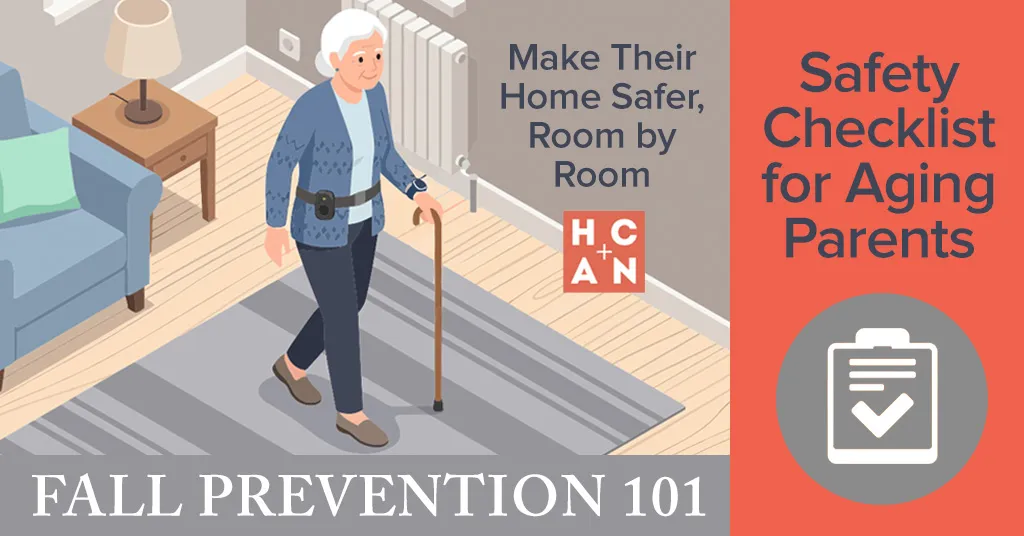
Fall Prevention 101: A Home Safety Checklist for Aging Parents Quick answer: Falls are the leading cause of injury among adults 65 and older, but most home hazards—loose rugs, poor lighting, cluttered walkways, slippery bathrooms—can be fixed with simple, affordable changes. A room-by-room home safety check, paired with professional in-home support, is the most effective […]
Home care is professional, non-medical support that helps seniors manage daily activities — like meal preparation, personal care, medication reminders, and housekeeping — in their own home. Home care is distinct from home health care and assisted living, offering a flexible, personalized alternative that supports aging in place with dignity and independence. Your parent has […]
Senior loneliness signs are often subtle and easily mistaken for normal aging. Research shows that social isolation among older adults carries health risks comparable to smoking 15 cigarettes a day. Recognizing the signs early — and connecting your parent with consistent companionship — can meaningfully improve both their physical health and quality of life. Your […]
Helping an aging parent at doctor appointments requires preparation before the visit, confident communication during it, and clear follow-up afterward. With the average appointment lasting just 15–20 minutes, family caregivers who come prepared with organized questions, updated medication lists, and specific concerns get significantly better outcomes for their loved ones. You’ve driven your parent to […]
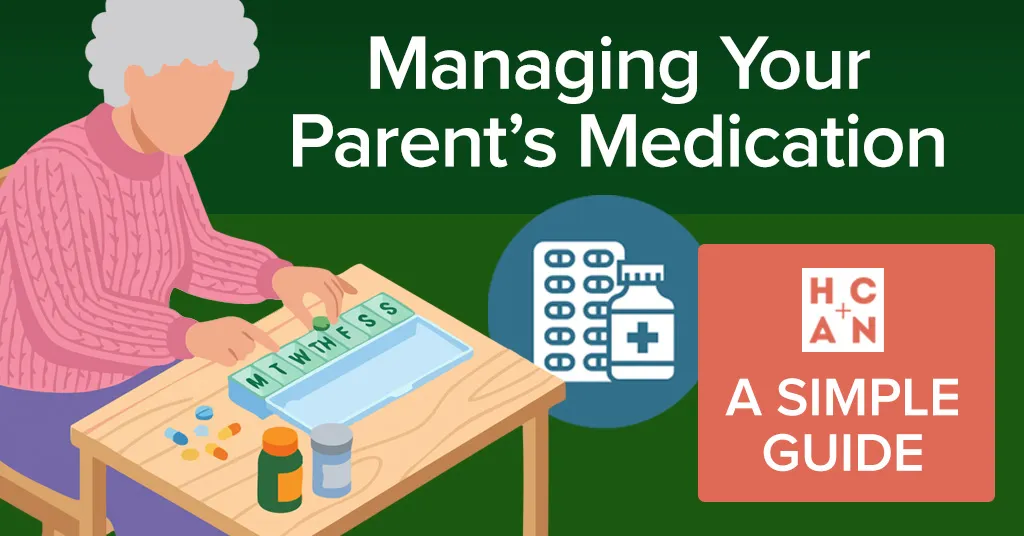
Medication management for seniors is one of the most common and preventable causes of health complications at home. As many as 55% of seniors fail to take their medications as prescribed. Simple tracking systems, clear communication with healthcare providers, and the support of a professional caregiver can dramatically reduce the risk of dangerous mix-ups. You […]
Seniors face significantly higher risks from the flu due to age-related immune changes. Protecting aging parents during flu season requires proactive vaccination, hygiene habits, nutrition support, and consistent home care — ideally with the help of a professional caregiver who can monitor symptoms and maintain daily routines. Fall arrives and, with it, flu season — […]